

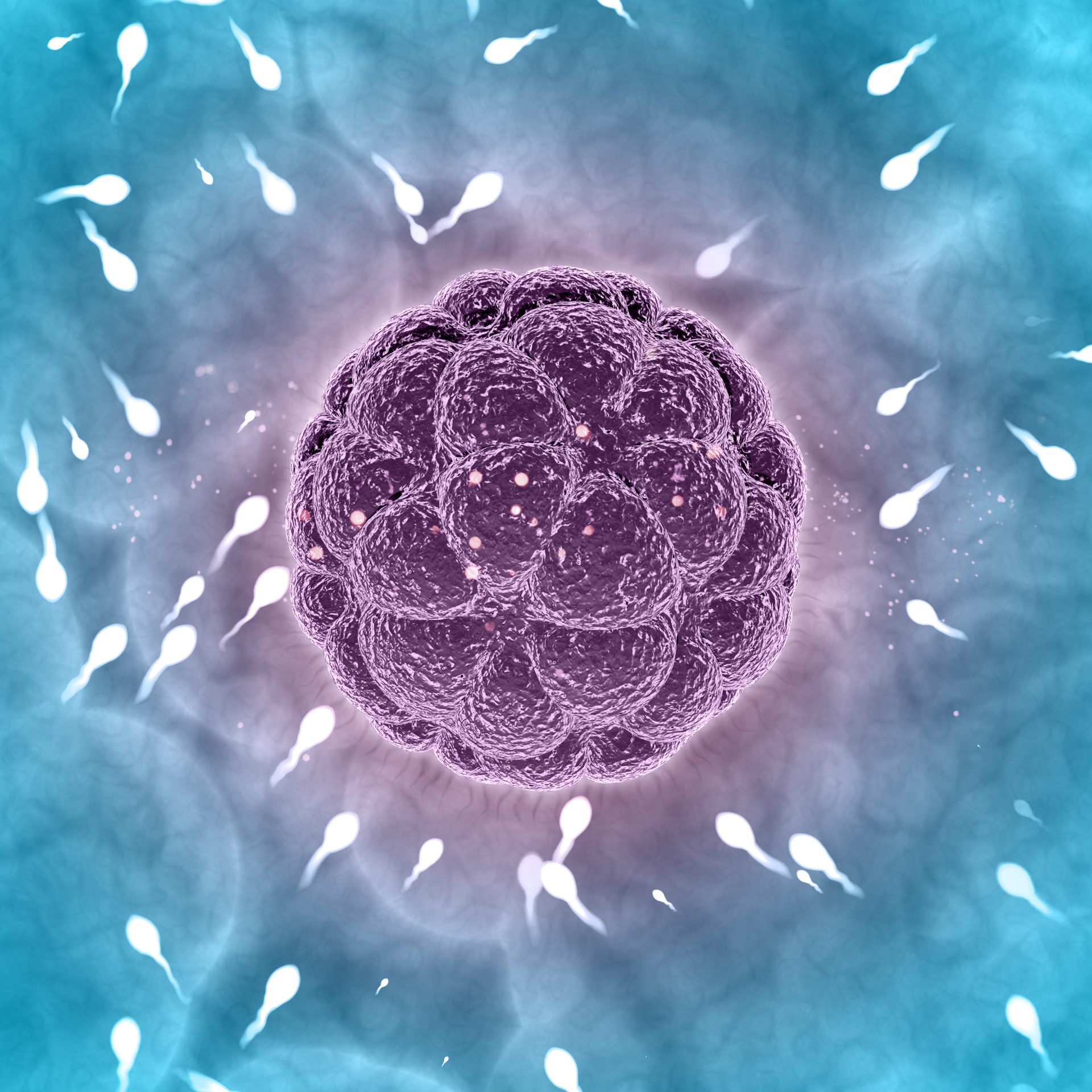

In vitro fertilization (IVF) is one of the most popular and effective methods of assisted reproduction. Despite its widespread use, there are many myths and misconceptions surrounding this procedure. In this article, we will examine the most common myths and provide accurate information about IVF, helping you better understand the procedure and its true capabilities.
Myth 1: IVF is the Only Solution for Infertility
Fact:
IVF is one of many options for couples facing infertility. Other assisted reproduction methods include intrauterine insemination (IUI), ovulation induction, and the use of donated eggs or sperm. The choice of appropriate treatment depends on the specific needs and medical condition of the couple. A specialized doctor can help determine the best approach.
Myth 2: IVF is Always Successful
Fact:
IVF success depends on many factors, such as the woman’s age, egg and sperm quality, and the general health of those involved. According to statistical data, the IVF success rate is approximately 40-50% for women under 35, while it decreases significantly for women over 40. It is important to have realistic expectations and discuss with your doctor the potential outcomes.
Myth 3: IVF is Dangerous for Women’s Health
Fact:
IVF is generally safe, but like any medical procedure, it carries some risks. The most common complications include ovarian hyperstimulation (OHSS), infections, and reactions to stimulation medications. However, these risks are rare and can be minimized with careful monitoring and management by the doctor. Overall, IVF is considered safe for the majority of women.
Myth 4: Children Born Through IVF Are Less Healthy
Fact:
Children born through IVF are generally considered equally healthy as children conceived naturally. Studies have shown that there is a small increase in the risk of genetic abnormalities or other health problems in children born through IVF, but this is often due to genetic factors associated with parental infertility, and the overwhelming majority of children born after IVF are just as healthy as those from natural conception. Also, women who turn to IVF are often older and may have underlying medical problems that increase risks for the baby during pregnancy, regardless of the conception method.
Myth 5: IVF Always Leads to Multiple Pregnancies
Fact:
The probability of multiple pregnancy with IVF can increase if multiple embryos are transferred to the uterus. However, modern IVF practices often include transferring one or two embryos to reduce the risk of multiple pregnancies. The decision about the number of embryos to be transferred is made based on the woman’s age, embryo quality, and other factors. Single embryo transfer (SET) has become more common and is recommended to reduce risks.
Myth 6: IVF is Very Expensive and Inaccessible
Fact:
IVF can be expensive, but there are many options that can reduce treatment costs. It is important to research available options and discuss with your doctor to find the best solution for you.
Myth 7: IVF Can Be Done at Any Age
Fact:
Age is an important factor affecting IVF success. Women’s fertility decreases significantly after age 35, and even more after 40. While IVF can be successful at older ages, success rates are significantly lower and risks increase. It is important to discuss with your doctor the success probabilities and risks related to your age.
Myth 8: IVF is Always the First Treatment Choice
Fact:
IVF is usually recommended when other fertility treatments are unsuccessful or are not suitable for the couple. Doctors often start with less invasive treatments, such as ovulation induction or intrauterine insemination (IUI), before proceeding to IVF. The decision to use IVF depends on the couple’s medical condition, the woman’s age, and other factors.
Myth 9: IVF is Only for Couples with Severe Fertility Problems
Fact:
IVF can be used to help couples with various fertility problems, not just the most severe. It can be a good option for couples who have tried other treatments without success, for women with tubal problems, men with sperm problems, or couples with unexplained infertility. Additionally, IVF can help individuals without a partner have children (e.g., with donor sperm).
Myth 10: IVF Causes Cancer
Fact:
There is insufficient scientific evidence linking IVF to increased cancer risk. Some studies have shown that women undergoing fertility treatments may have a slightly increased risk for certain types of cancer, such as ovarian cancer. However, these studies have not reached definitive conclusions and most experts agree that risks are very low.
Myth 11: IVF Requires Long-Term Medication Use
Fact:
IVF involves the use of hormonal medications to stimulate the ovaries and mature eggs. However, this use is temporary and usually lasts only about two weeks during the treatment cycle. Doctors closely monitor women to ensure they receive the correct dosage and to minimize any side effects.
Myth 12: IVF Can Cause Premature Menopause
Fact:
IVF does not cause premature menopause. The eggs collected during IVF would naturally leave during the menstrual cycle. The procedure does not deplete egg reserves and does not affect the natural course toward menopause.
Conclusions
IVF is a valuable option for many couples facing fertility problems, but there are many myths and misconceptions surrounding it. Understanding the realities of IVF can help couples make informed decisions and approach the procedure with realistic expectations.
It is important to consult a specialist in assisted reproduction to better understand your options and receive the support you need. With proper guidance and information, you can explore the possibilities of IVF and move forward toward the dream of starting a family.