

In Vitro Fertilisation (IVF)
What is in vitro fertilisation?
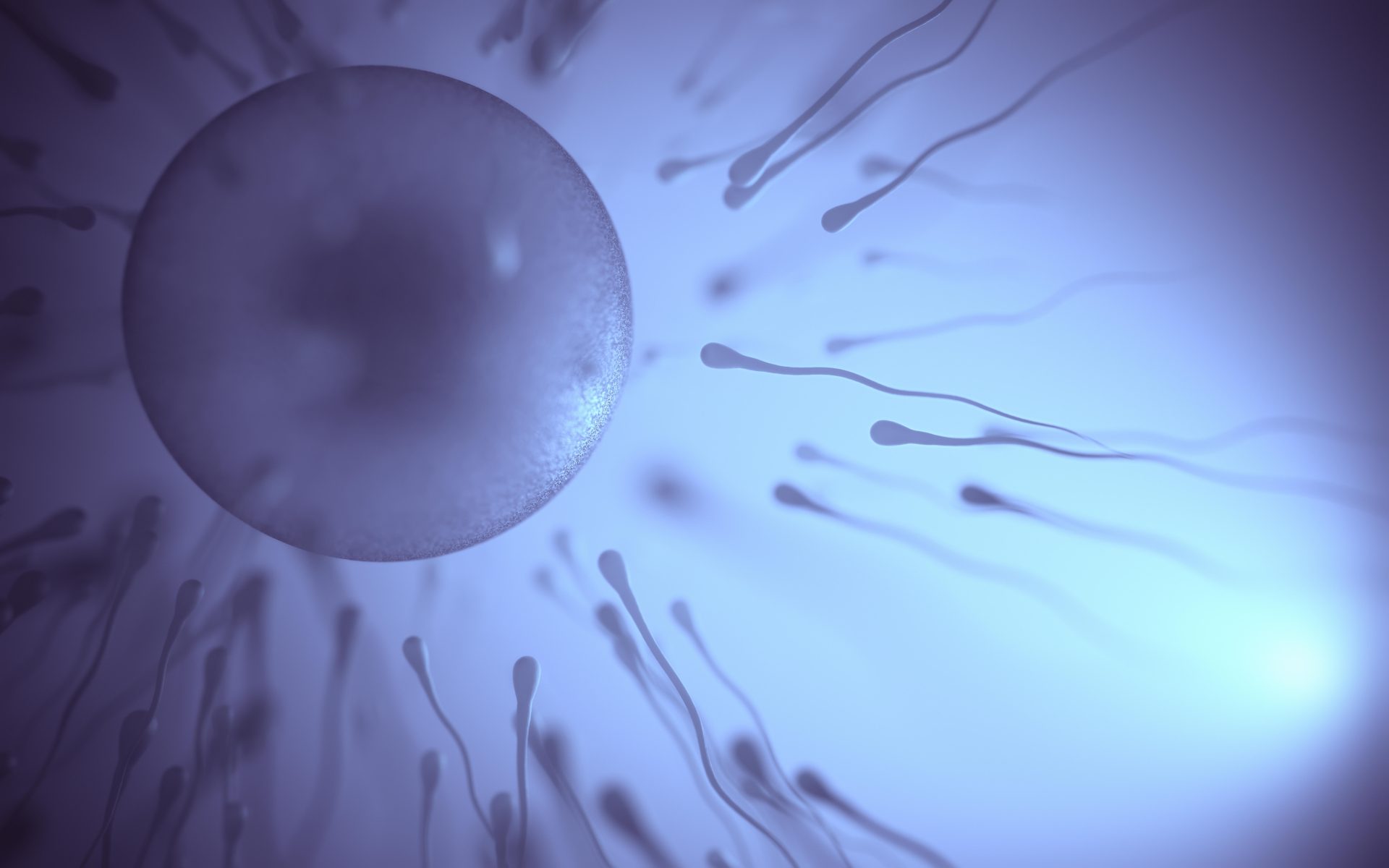
In vitro fertilisation (IVF) represents one of the most significant medical technologies of the 20th century, which led to a true revolution in the treatment of infertility and has helped millions of people worldwide become parents.


Who needs to undergo in vitro fertilisation?
In vitro fertilisation may be recommended for individuals or couples who have not conceived after 12 months of regular unprotected intercourse, or after six months when the woman is aged 35 or older.
The causes of infertility may involve the woman (female infertility), the man (male infertility), or both. In 15–20% of cases, no cause is identified after standard investigations; this is termed unexplained infertility.
IVF is also part of treatment when frozen eggs are later used or when embryos are created for storage.
Finally, IVF is particularly useful for patients who will undergo preimplantation genetic testing (PGT) to avoid transmission of a genetically inherited disease or to reduce the risk of miscarriage.
Depending on the method of uniting the egg with the sperm, IVF is divided into classical or conventional IVF and intracytoplasmic sperm injection (ICSI).
In conventional IVF, each egg is incubated in the laboratory with approximately 20,000-50,000 sperm for 18-24 hours. In this way, one sperm will typically be able to fertilize the egg. In ICSI, the sperm is selected by the embryologist under a microscope and then injected into the egg using a special needle.
What is the IVF procedure?
In vitro fertilisation includes the following stages:
- Initial assessment by a Fertility/Reproductive Medicine specialist, including history taking, clinical and laboratory testing related to fertility, and discussion of the treatment plan.
- Ovarian stimulation with medications to develop and collect more than one egg. Collecting several eggs, when feasible, can increase the number available for fertilisation and embryo development., and modern stimulation strategy involves attempting to collect as many eggs as possible using patient-friendly stimulation protocols. Typical ovarian stimulation usually lasts 10-12 days (8-14 days).
- Monitoring: During stimulation, typically 2-3 visits to the Fertility/Reproductive Medicine specialist will be needed for hormone tests (a blood sample) and ultrasound scans (transvaginal ultrasound). These tests allow the physician to monitor the response to ovarian stimulation and estimate the number of eggs to be retrieved.
- Completion of stimulation and egg retrieval: When the physician observes on ultrasound a group (usually >2) of follicles of adequate size (usually ≥17mm in mean diameter), a trigger injection is administered to complete final oocyte maturation. Egg retrieval is usually performed 36 hours (34-38 hours) after this injection. Egg retrieval is performed under sedation (a form of general anaesthesia), without pain, and usually lasts 20-40 minutes. It involves retrieving eggs under ultrasound guidance through a relatively thin needle that passes through the thin vaginal wall and aspirates fluid from each follicle. After egg retrieval, patients may feel some discomfort similar to menstrual cramps and may have a small amount of vaginal bleeding. These symptoms usually resolve completely within 24-48 hours.
- Fertilisation: After egg retrieval, within 2-3 hours, the collected eggs will be fertilised either by classical fertilisation or by ICSI. After 16-24 hours, the embryologist will check to determine how many eggs have been successfully fertilised.
- Embryo culture, embryo transfer, and cryopreservation of suitable embryos: Fertilised eggs are now considered embryos and are cultured in the laboratory, usually for 5-6 days. The purpose of culture is to reveal which embryos have the potential to result in a pregnancy, as many of the early embryos will stop developing in the first hours/days of culture.
On the 5th day of culture, the number and quality of embryos that have continued to develop are assessed. The best quality embryo(s) will be transferred to the uterus through a simple, painless procedure lasting 15 minutes. A pregnancy test is usually performed approximately 10–14 days after embryo transfer. If on the 5th-6th day of embryo culture there are additional good quality embryos, these will be cryopreserved for future use (either if the first embryo transfer is unsuccessful or if the woman wishes to attempt another pregnancy in the future).
What determines IVF success?
The success of IVF depends on two main factors:
- The number and quality of eggs: It is now known that the more eggs retrieved during egg collection, the greater the probability of achieving a child from this procedure. While there can never be absolute certainty that a pregnancy will result from egg cryopreservation, studies have shown that, generally, retrieving a larger number of eggs results in a higher probability of success. For this reason, many women will choose to undergo the procedure more than once to increase the probability of success. Perhaps an even greater impact on the probability of success than the number of eggs is their quality. This quality is mainly determined by the woman’s age and is considered excellent between 25-32 years, with a gradual decline after 32 years. This means that a woman who has frozen 10 eggs at age 30 has approximately the same chances of success as a woman who has frozen 30 eggs at age 37. Other factors that determine egg quality are genetic factors, smoking, obesity, etc.
- Laboratory methods used for fertilisation, culture, cryopreservation (freezing), and thawing of eggs: The presence of a modern embryology laboratory with well-trained staff is very important. The application of modern embryo culture and cryopreservation methods such as vitrification can improve embryo survival after warming.
Are there risks from the IVF procedure?
IVF is generally safe when provided by an appropriately trained fertility team.
Ovarian hyperstimulation syndrome (OHSS) is a recognised complication of ovarian stimulation. Modern stimulation protocols can substantially reduce the risk of OHSS, although they cannot eliminate it completely . The egg retrieval procedure carries risks of bleeding, bowel injury and pelvic infection, which are also extremely small when the procedure is performed by experienced fertility/reproductive medicine physicians.
A common question from patients undergoing ovarian stimulation is whether taking medications will increase the likelihood of developing some form of cancer in the future. This question has been studied closely by the medical community, and most studies conducted are reassuring, as they do not support the existence of such an association.
Finally, another concern for patients undergoing IVF is whether the health of children conceived through this method is similar to children born after natural conception. Although small increases have been observed in preterm birth, low birth weight and some congenital anomalies, the overall health of children conceived through IVF is generally comparable with that of children conceived without IVF. It is important to note that any differences in the health of children after IVF appear to be mainly due to their parents’ infertility rather than the IVF method itself.