

Intrauterine Insemination (IUI)
What is intrauterine insemination?
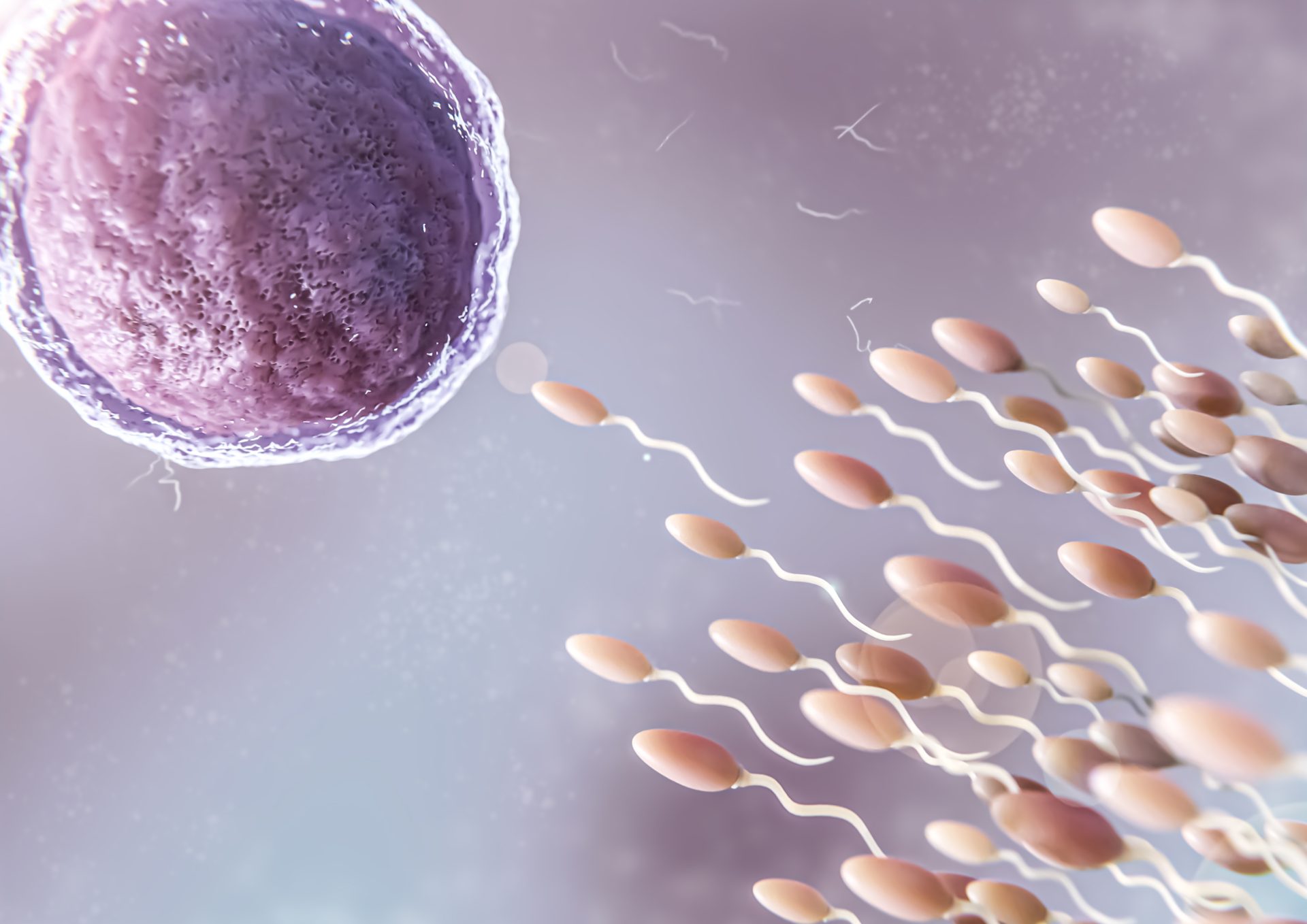
Intrauterine insemination (IUI) is a relatively simple procedure that, in appropriately selected patients, can significantly enhance the chances of achieving pregnancy.


When may IUI be considered?
For a woman to undergo intrauterine insemination, certain prerequisites must be met to allow the sperm and egg to meet within the woman’s body. This means the woman must be capable of ovulation, have at least one patent fallopian tube, and there must be sperm with satisfactory count and motility. Intrauterine insemination is generally indicated in the following cases:
- Couples with infertility due to a mild male factor. In these cases, the slight reduction in sperm count or motility is considered to negatively affect the chances of achieving pregnancy naturally. Processing the sperm to select the most functionally capable sperm and transferring them at the appropriate time close to the egg significantly increases the probability of fertilisation.
- Couples suffering from infertility due to anovulation. In these cases, ovulation induction with medications can be supplemented with intrauterine insemination to further increase the probability of conception.
- Couples suffering from unexplained infertility or other forms of infertility (e.g., endometriosis) who desire a less invasive method of assisted reproduction (excluding couples where there are no patent fallopian tubes or with severe male factor).
- Couples or single women using donor sperm.
- Couples where sexual intercourse is not possible (e.g., erectile dysfunction) or desired (e.g., to reduce the risk of transmitting sexually transmitted diseases).
- Couples who have had sperm cryopreservation (e.g., fertility preservation).
What is the Intrauterine Insemination Procedure?
The intrauterine insemination procedure includes the following stages:
- Initial assessment by a Fertility/Reproductive Medicine specialist with medical history, clinical and laboratory evaluation related to fertility, and discussion of the treatment plan.
- Monitoring or ovulation induction: Depending on medical indications, ovulation induction may be performed (in women who do not have regular ovulation) with medications (pills or injections), or natural ovulation may simply be monitored. During this period, the woman will typically need to undergo 2-3 transvaginal ultrasounds and a similar number of blood tests. Based on the findings of these tests, the day ovulation is expected is determined and intrauterine insemination is planned.
- Sperm collection and processing: On the day scheduled for insemination, sperm collection and processing is performed, or the sample is thawed if it is frozen sperm. Sperm processing aims to concentrate a large number of motile sperm in a small volume of fluid that is free from substances harmful to the insemination procedure. Ideally, sperm collection should be preceded by 2-3 days of abstinence, although this can be modified based on indications for each couple.
- Intrauterine insemination: Intrauterine insemination is a relatively painless procedure (similar discomfort to a Pap smear) performed in appropriately certified clinics by a Fertility/Reproductive Medicine specialist. The patient lies on an examination couch and the cervix is visualized using a speculum. The insemination catheter is then carefully inserted and the processed sperm is carefully injected. The entire procedure takes a few minutes and does not require anaesthesia (although it can be used if desired by the patient, e.g., in cases of severe vaginismus).
- Completion of the procedure and follow-up: Immediately after completion of the insemination procedure, the woman usually remains recumbent for a few minutes and can then leave and continue her activities normally.
In some cases, medication (e.g., progesterone administration) may be required after intrauterine insemination to enhance the probability of success. The pregnancy test is usually performed 14-16 days after intrauterine insemination.
What is the Success Rate of Intrauterine Insemination?
In general, the probability of pregnancy after intrauterine insemination ranges between 10-20%. Various factors can affect this percentage, such as:
- Egg quality: It is known that egg quality is perhaps the most important factor determining the probability of achieving pregnancy, either naturally or with some method of assisted reproduction. It is also known that a woman’s age negatively affects the quality of her eggs. This means that in a woman aged 25-30 years, intrauterine insemination may have a success rate of 20-25%. Conversely, in women aged >36 years, egg quality is reduced, which means that the success rate of intrauterine insemination decreases significantly (5-10%).
- Sperm quality: For satisfactory success rates of intrauterine insemination, at least 5,000,000 motile sperm are required in the processed sample. If this number is much higher, the probability of success may increase. If this number is lower, the probability of success is significantly limited and for this reason it is usually not recommended.
- The reason for intrauterine insemination: An equally important parameter for determining the probability of success of intrauterine insemination is the medical indication that led to its use. For example, if it is a single woman using donor sperm to become pregnant and therefore there are no other infertility indications, theoretically this woman retains the maximum chances of success for a woman of her age. Conversely, if the woman suffers from endometriosis, which is known to reduce the chance of the egg and sperm meeting inside the body, the probability of success after insemination will likely be reduced compared to a woman of the same age without endometriosis.
It becomes clear that determining the probability of success of intrauterine insemination is a complex process that requires thorough evaluation of patients by a fertility specialist.
Are There Risks from the Intrauterine Insemination Procedure?
The intrauterine insemination procedure is considered extremely safe when performed by appropriately trained personnel in certified clinics/laboratories.
A significant potential complication of the procedure is multiple pregnancy (e.g., twins, triplets, etc.), especially when intrauterine insemination is combined with the use of medications for ovulation induction. Multiple pregnancies are considered high-risk pregnancies with increased probability of complications such as preterm delivery, gestational diabetes, preeclampsia, as well as significant risks for newborns. For this reason, every effort should be made to prevent multiple pregnancies (e.g., close monitoring and cancellation of the intrauterine insemination attempt if the development of multiple mature follicles is detected).