

Tubal Factor Infertility
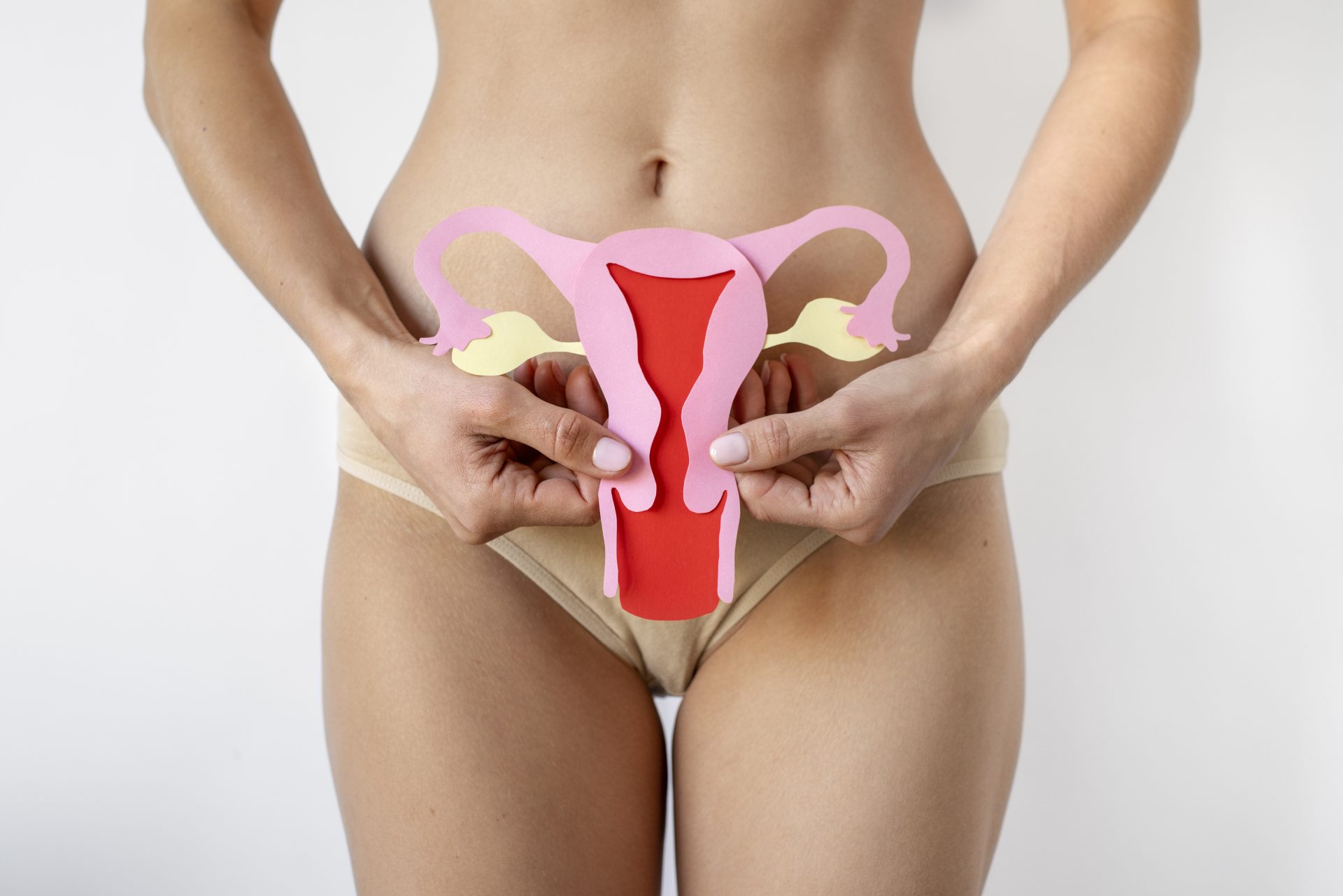
Tubal factor infertility is one of the main causes of conception difficulties for many women. The fallopian tubes play a critical role in the process of achieving pregnancy, as they are the pathway through which the egg travels from the ovaries to the uterus and where fertilisation usually occurs. When the fallopian tubes are blocked or damaged, serious fertility problems can arise. In this article, we will examine what tubal factor infertility is, how it is diagnosed, what the main causes are, and what the available treatments are for managing it.


Causes of Tubal Factor Infertility
Several conditions can damage or block the fallopian tubes, such as:
1. Infections
Reproductive system infections, such as pelvic inflammatory disease (PID), can cause scarring and adhesions in the fallopian tubes, leading to blockage or dysfunction. Sexually transmitted infections, such as chlamydia and gonorrhea, are common causes of pelvic inflammatory disease.
2. Endometriosis
Endometriosis is a condition in which tissue similar to the endometrium develops outside the uterus. This tissue can develop in or around the fallopian tubes, causing inflammation, scarring, and blockage.
3. Surgical interventions
Previous surgical procedures in the pelvic or abdominal area may cause adhesions and scarring that block the fallopian tubes or prevent their normal function.
4. Hydrosalpinx
Hydrosalpinx is a condition in which the fallopian tubes fill with fluid due to inflammation and blockage. Hydrosalpinx can cause pain and prevent fertilisation and embryo implantation. Also, hydrosalpinx can reduce the success rate of in vitro fertilisation (IVF) and increase the probability of miscarriage.
5. Congenital anomalies
Some women are born with abnormalities in the fallopian tubes, such as blockage or abnormal anatomy and function, which can affect fertility.
Diagnosis of Tubal Factor Infertility
The diagnosis of tubal factor infertility includes a series of tests and procedures to assess the condition of the fallopian tubes. The main diagnostic methods include:
1. Hysterosalpingography (HSG)
HSG is an X-ray examination in which contrast dye is injected into the uterus and fallopian tubes. This examination helps identify blockages or abnormalities in the fallopian tubes.
2. Ultrasound tubal patency test with foam (HyFoSy)
HyFoSy ultrasound is a newer, non-invasive method for assessing the condition of the fallopian tubes. During HyFoSy, a ultrasound contrast medium is injected into the uterus and the fallopian tubes are monitored via ultrasound. This method is less painful than HSG and does not use radiation.
3. Laparoscopy
Laparoscopy is a surgical procedure in which a thin telescope with a camera is inserted into the abdomen through a small incision (usually in the umbilical area). This examination allows direct examination of the fallopian tubes and pelvic cavity to identify blockages, scarring, or other abnormalities, as well as their immediate surgical restoration when possible.
Management of Tubal Factor Infertility
Treatment for tubal factor infertility depends on the cause and severity of the condition. The main therapeutic approaches include:
1. Surgical restoration
In some cases, surgical intervention can be used to restore tubal patency by removing blockages or adhesions. Laparoscopic surgery is the most common method for surgical restoration of the fallopian tubes, as it is less invasive and has a faster recovery time.
In selected cases, such as hydrosalpinx, removing a severely damaged fallopian tube before IVF may improve treatment outcomes.
2. Antibiotic therapy
If the fallopian tubes have been damaged due to infections, antibiotic therapy can help manage the infection and reduce inflammation. However, antibiotic treatment cannot reverse damage that has already occurred in the fallopian tubes.
3. Assisted Reproduction
For women with severe fallopian tube damage, assisted reproductive techniques such as in vitro fertilisation (IVF) may be the best option. During IVF, eggs are collected from the ovaries and fertilised with sperm in the laboratory. The resulting embryos are then transferred to the uterus, bypassing the fallopian tubes.
4. Removal of hydrosalpinx
As mentioned earlier, hydrosalpinx can cause chronic pain and affect IVF success. In some cases, surgical removal of hydrosalpinx can improve IVF success rates and relieve symptoms.
Strategies for Improving Fertility
To improve conception chances, women with tubal factor infertility can follow these strategies:
1. Maintaining good general health
Adopting a healthy lifestyle, such as a balanced diet, regular exercise, and avoiding toxins, can help improve overall health and fertility.
2. Stress management
Managing stress through relaxation techniques, such as yoga and meditation, can improve mental well-being and contribute to improving fertility.
3. Regular monitoring
Regular monitoring by the gynaecologist and thorough checking of reproductive health can help manage tubal factor infertility and improve conception chances.
Psychological Support for Women with Tubal Factor Infertility
Tubal factor infertility can have significant psychological impacts, such as anxiety, depression, and low self-esteem. Psychological support, such as counselling and support groups, can help women cope with the emotional challenges related to this condition.
Conclusions
Tubal factor infertility is a serious condition that can significantly affect fertility and women’s quality of life. With proper diagnosis and treatment, many women can manage problems related to the fallopian tubes and achieve pregnancy. Understanding treatment options and seeking specialised medical care are vital for managing tubal factor infertility and achieving the dream of building a family.
If you would like advice based on your circumstances, contact Dr Christos Venetis to arrange a consultation.