

Polycystic Ovary Syndrome (PCOS) – now known as PMOS
Polycystic Ovary Syndrome (PCOS), internationally renamed Polyendocrine Metabolic Ovarian Syndrome (PMOS) in 2026, is a common, chronic endocrine and metabolic condition affecting around 1 in 8 women. It can affect menstrual cycles, ovulation, androgen levels, metabolism, fertility and emotional wellbeing. Despite its former name, it does not necessarily mean that ovarian “cysts” are present.
Last updated: July 2026


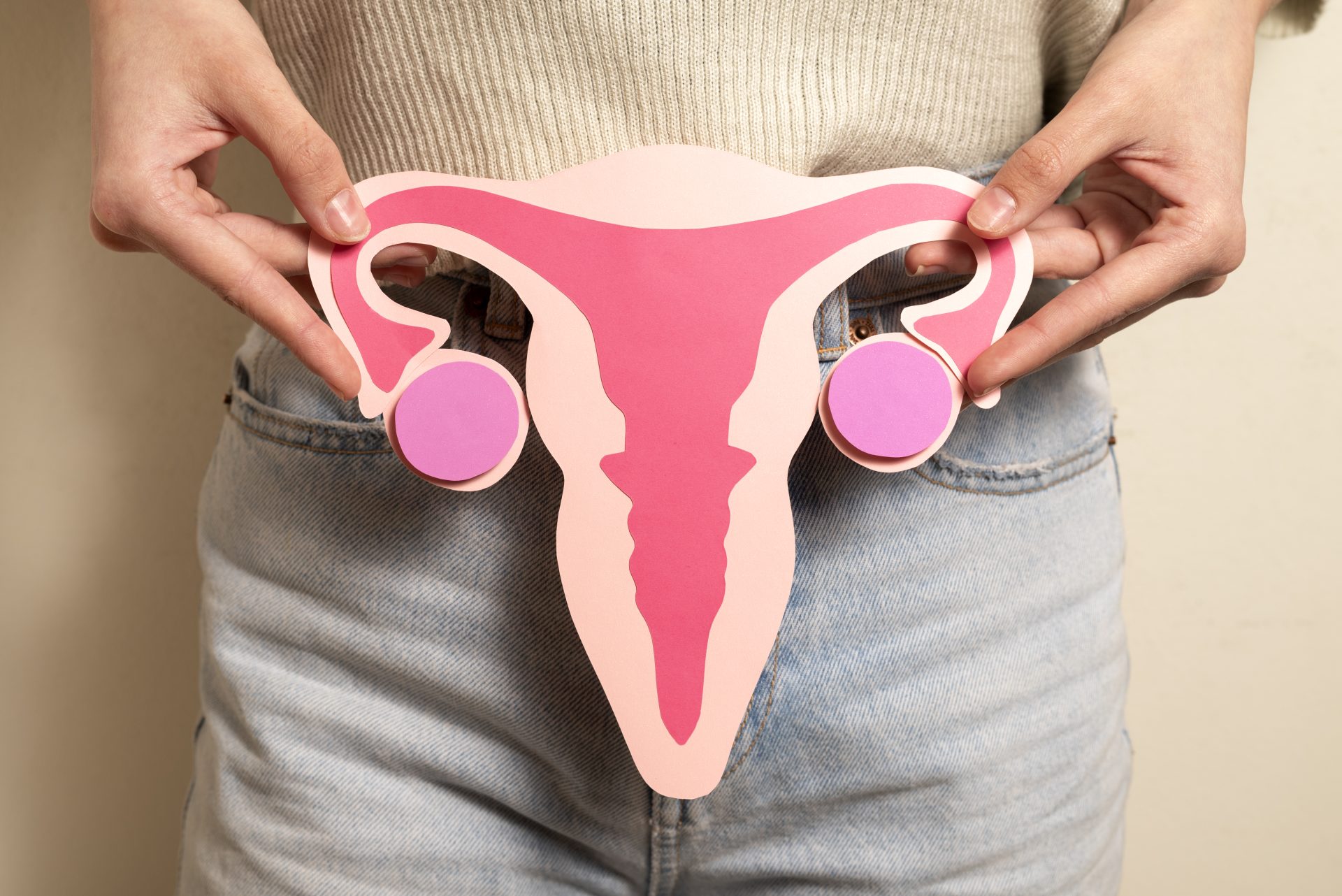
What are the symptoms of PCOS/PMOS?
Symptoms can change with age and may include:
- Irregular, infrequent or absent menstrual periods due to ovulatory dysfunction.
- Excess facial or body hair (hirsutism).
- Acne or oily skin.
- Female-pattern hair thinning.
- Difficulty conceiving when ovulation does not occur regularly.
- Metabolic changes, such as an increased risk of impaired glucose regulation or abnormal lipid levels.
- Effects on emotional wellbeing, body image or quality of life.
What causes PCOS/PMOS?
The exact cause is not known. The condition appears to result from an interaction between genetic, hormonal, metabolic and environmental factors.
- Genetic predisposition: the condition occurs more often in some families.
- Altered hormonal regulation: increased androgen production or activity can affect ovulation and contribute to several characteristic symptoms.
- Insulin resistance: this is an important underlying feature in many, but not all, women with PCOS/PMOS.
- Environmental and lifestyle factors: these can influence how the condition presents and the severity of symptoms, but body weight alone does not cause PCOS/PMOS.
- Low-grade inflammation: this is being investigated as a possible contributing factor, although its role is not yet fully understood.
How is PCOS/PMOS diagnosed?
Diagnosis is clinical and individualised. When conception is difficult, a comprehensive female infertility assessment is carried out in parallel. In adults, after other possible causes have been excluded, two of the following three criteria are required:
- Ovulatory dysfunction or irregular menstrual cycles.
- Clinical or biochemical hyperandrogenism, such as hirsutism or elevated androgen levels on appropriate laboratory testing.
- Polycystic ovarian morphology on ultrasound or, in adults only, appropriately assessed anti-Müllerian hormone (AMH) as an alternative to ultrasound.
When irregular cycles and hyperandrogenism are both present, ultrasound or AMH is not required for diagnosis. AMH should not be used as a stand-alone diagnostic test or requested together with ultrasound without a specific indication. Different criteria apply to adolescents, and ultrasound or AMH is not recommended for diagnosis because of limited specificity.
What does the assessment include?
- A detailed history of menstrual cycles, symptoms, medicines and family history.
- Clinical assessment for signs of hyperandrogenism and other possible causes of the symptoms.
- Targeted hormone tests, such as total and free testosterone, together with tests to exclude thyroid disease, hyperprolactinaemia or other conditions, depending on the clinical history.
- Assessment of glycaemic status — preferably with an oral glucose tolerance test (OGTT) when appropriate — as well as a lipid profile and blood pressure measurement.
Insulin resistance is an important feature of the condition, but currently available insulin measurements have limited clinical value and are not recommended as routine tests.
How is PCOS/PMOS managed?
There is no single treatment that is right for everyone. Management is chosen through shared decision-making, based on symptoms, metabolic features, pregnancy plans and each woman’s priorities.
- Healthy lifestyle
A balanced diet, regular physical activity, adequate sleep and support for emotional wellbeing are central to care. No single dietary composition has been shown to be best for every woman. A healthy, sustainable and personalised eating pattern is preferred. Healthy habits provide benefits even without weight loss. - Menstrual-cycle regulation and management of hyperandrogenism
Combined oral contraceptive pills may be used for irregular cycles, acne or hirsutism when pregnancy is not being attempted and there are no contraindications. In some cases, progestogens are used to protect the endometrium or other treatments are considered for hirsutism, always under medical guidance. - Metabolic management
Metformin may be considered mainly for metabolic indications and, in selected cases, to help regulate menstrual cycles. It is not a universal treatment for every woman with PCOS/PMOS. - Fertility treatment
When anovulatory infertility is present without another infertility factor, letrozole is the first-line medicine for ovulation induction. Clomiphene or metformin may be used in selected cases. Gonadotrophins are usually a second-line treatment and require close ultrasound monitoring. In vitro fertilisation (IVF) is generally considered when first- and second-line treatments have not succeeded or when there is a separate indication. Intrauterine insemination (IUI) is not an essential step for every woman; the choice depends on tubal patency, semen analysis and the couple’s other fertility factors.
Medicines used to induce ovulation require medical prescription and monitoring. The sequence and combination of treatments are individualised.
Long-term health and follow-up
PCOS/PMOS can affect health beyond the reproductive years. A practical follow-up plan may include:
- Glycaemic assessment at diagnosis and repeat testing every 1–3 years, depending on individual risk.
- Lipid profile at diagnosis, with repeat testing based on the results and other cardiovascular risk factors.
- Blood pressure measurement at least annually and before pregnancy or fertility treatment.
- Assessment of symptoms of obstructive sleep apnoea, such as loud snoring together with unrefreshing sleep, daytime sleepiness or fatigue.
- Endometrial protection through cycle regulation or appropriate progestogen treatment when prolonged amenorrhoea is present. The risk of endometrial hyperplasia and cancer is increased, but the overall likelihood remains low and routine screening is not recommended without a clinical indication.
- Preparation for and monitoring during pregnancy, as there is an increased risk of hyperglycaemia and hypertensive disorders of pregnancy.
Mental health and quality of life
PCOS/PMOS can have a significant impact on mental health, body image, eating behaviours, sexual wellbeing and overall quality of life. Assessment for symptoms of anxiety and depression is recommended, with referral for appropriate psychological or psychiatric support when needed. Discussions should respect personal priorities and avoid weight stigma.
Conclusions
PCOS/PMOS is a common and complex condition, but it can be managed effectively with accurate diagnosis, personalised treatment and long-term follow-up. Many women can become pregnant either naturally or with appropriate support, while timely care can improve symptoms and overall health.
If you have symptoms that may be related to PCOS/PMOS or are having difficulty conceiving, Dr Christos Venetis can arrange a personalised assessment and discuss the treatment options that are appropriate for you.
Frequently asked questions
Are ovarian “cysts” required for diagnosis?
No. Polycystic ovarian morphology is only one of the diagnostic criteria. Many women with PCOS/PMOS do not have this appearance, while its presence alone is not sufficient for diagnosis.
Can I become pregnant if I have PCOS/PMOS?
Yes. Many women conceive naturally, and effective treatment options are available when ovulation is disrupted. Other possible infertility factors should also be assessed.
Can PCOS/PMOS be cured?
There is no single cure that eliminates the condition, but symptoms, fertility and long-term risks can be managed effectively with personalised care.
Is weight loss always necessary?
No. Healthy habits provide benefits regardless of weight loss. When weight management is a personal and medical goal, the plan should be sustainable, individualised and free from stigma.