

Reproductive Surgery: A Guide for Patients
Reproductive surgery is an important area of medicine that deals with the diagnosis and treatment of conditions affecting the reproductive health of women and men. Reproductive surgery techniques can help couples facing fertility problems achieve the dream of having children. In this article, we will examine the basic principles of reproductive surgery, the main procedures and their indications, as well as the advantages and risks of these procedures.


Indications for Reproductive Surgery
Indications for reproductive surgery vary depending on the condition and the individual needs of the patient. Some of the most common indications include:
- Endometriosis
Endometriosis is a condition where tissue similar to the endometrium develops outside the uterus, causing pain and subfertility. Laparoscopy is often used for diagnosis and removal of endometriotic lesions, thereby improving the chances of conception. - Fallopian Tubes
Blocked or damaged fallopian tubes can prevent the meeting of sperm and egg, making natural conception difficult. Surgical intervention to restore tubal patency can help some women conceive naturally. - Polyps and Fibroids
Endometrial polyps and fibroids can affect fertility and cause symptoms such as heavy menstrual periods and pain. Hysteroscopy and laparoscopy can be used to remove these abnormalities, improving reproductive health. - Adhesions
Adhesions are bands of scar tissue that connect organs that are normally not connected. They can be caused by surgical procedures, infections, or endometriosis and can cause pain and subfertility. Adhesiolysis through laparoscopy can improve the function of reproductive organs.
Reproductive Surgery Techniques
Reproductive surgery uses various techniques for the diagnosis and treatment of reproductive conditions. The main techniques include:
- Laparoscopy
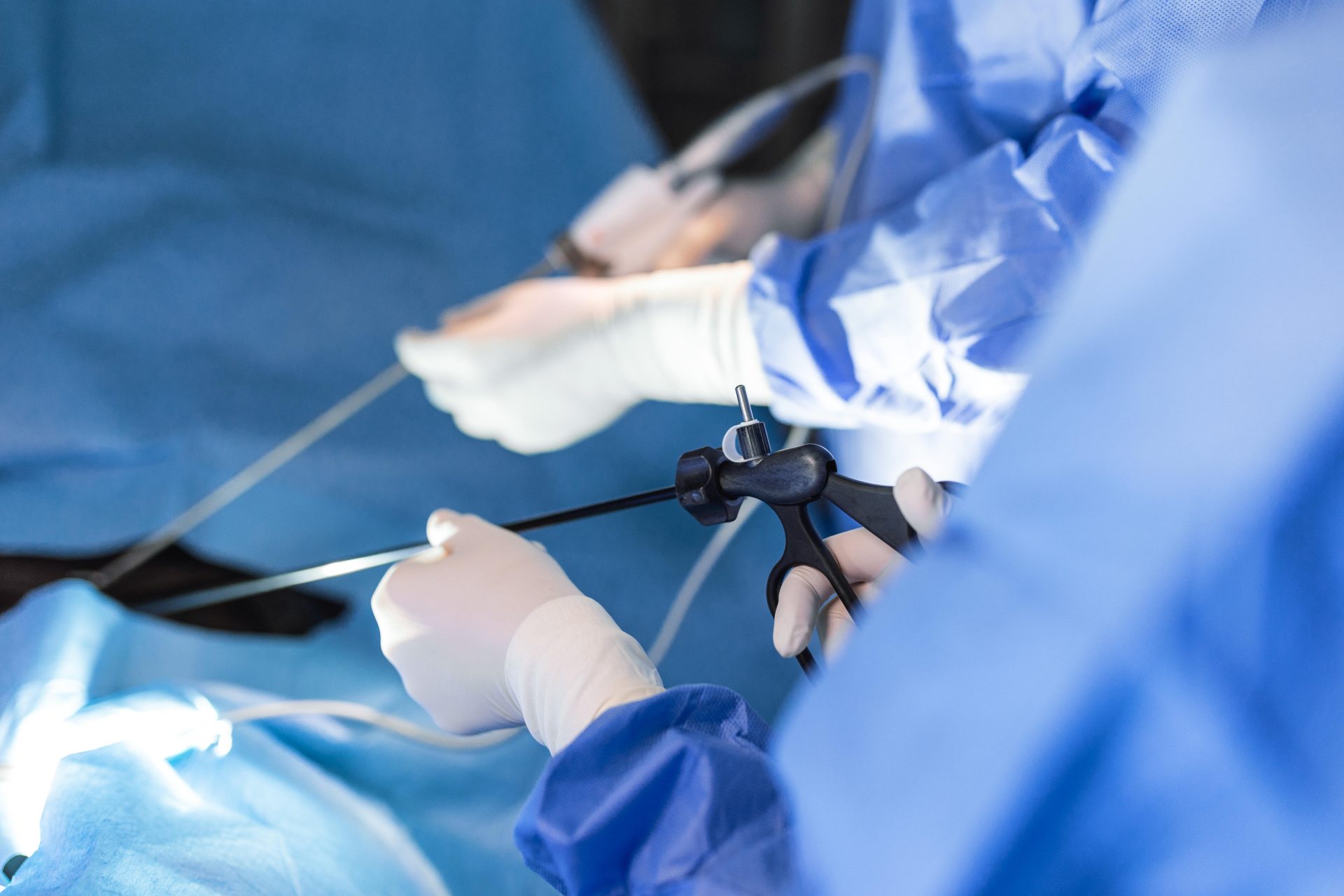
Laparoscopy is a minimally invasive surgical method used for diagnosis and treatment of pelvic conditions. During laparoscopy, a thin tube with a camera (laparoscope) is inserted into the abdominal cavity through a small incision. The camera allows the surgeon to see the internal organs and perform surgical procedures with minimal tissue damage. - Hysteroscopy
Hysteroscopy is a minimally invasive method used for examining and treating the interior of the uterus. A thin, illuminated telescope (hysteroscope) is inserted through the vagina and cervix into the uterus, allowing the surgeon to see and remove abnormalities such as polyps, fibroids, and adhesions.
Advantages of Reproductive Surgery
Reproductive surgery offers many advantages for couples facing fertility problems. Some of the main advantages include:
- Improved Fertility
Many reproductive surgery procedures aim to restore the normal function of reproductive organs, thereby improving the chances of natural conception. - Minimally Invasive Techniques
Minimally invasive techniques such as laparoscopy and hysteroscopy offer shorter recovery times, less pain, and fewer complications compared to traditional surgical procedures. - Accurate Diagnosis
Reproductive surgery techniques allow accurate diagnosis of conditions affecting reproductive health, enabling more effective treatment.
Risks and Complications
Like any surgical procedure, reproductive surgery involves certain risks and potential complications. It is important for patients to be informed about these risks before the procedure. Some of the main risks include:
- Infections
Infections are a common risk in any surgical procedure. Patients should follow their doctor’s instructions for preventing infections after the procedure. - Bleeding
Bleeding can occur during or after the procedure. In some cases, a blood transfusion or additional surgical intervention may be required to control bleeding. - Damage to Adjacent Organs
During reproductive surgery, there is a risk of damage to adjacent organs such as the intestine, bladder, and blood vessels. The use of minimally invasive techniques can reduce this risk but does not eliminate it completely. - Formation of Adhesions
Adhesions may develop after surgical procedures, causing pain and potential subfertility. The use of special techniques and materials during the surgical procedure can help prevent adhesions.
Preparation for Reproductive Surgery
Proper preparation before reproductive surgery can help reduce risks and improve outcomes. Some tips for preparation include:
- Discussion with Your Doctor
Before the procedure, it is important to discuss with your doctor the reasons for the procedure, the potential risks, and the expected outcomes. Your doctor will provide you with detailed instructions for preparation before the procedure. - Preoperative Examination
Your doctor may request a complete medical examination to ensure you are in good health before the procedure. This may include blood tests, X-rays, and other diagnostic tests. - Diet and Medications
Follow your doctor’s instructions regarding diet and medications before the procedure. You may need to avoid food and drink for several hours before the procedure and stop taking certain medications (e.g., aspirin or heparin).
Recovery and Post-Procedure Care
Recovery after reproductive surgery is usually brief but may vary depending on the type of procedure and the individual condition of the patient. Some general tips for recovery include:
- Rest and Activity Restriction
After the procedure, it is important to rest and limit your activities according to your doctor’s instructions. Avoid heavy activities and lifting for a certain period. - Symptom Monitoring
Monitor carefully for any signs of infection or complications, such as fever, redness, swelling, or severe pain. Contact your doctor immediately if you notice any concerning symptoms. - Continuous Communication with Your Doctor
Regular follow-up with your doctor is important to ensure proper recovery and achievement of desired outcomes. Your doctor can give you specific instructions for post-procedure care and inform you about the next steps in your treatment.
Conclusion
Reproductive surgery can offer solutions to many couples facing fertility problems, helping them achieve the dream of having children. With appropriate techniques and the expertise of specialized doctors, patients can benefit from minimally invasive procedures that offer shorter recovery times and better results. If you are considering reproductive surgery as a solution to your fertility problems, you can contact Dr. Venetis to discuss your options and begin your own journey toward building a family.