

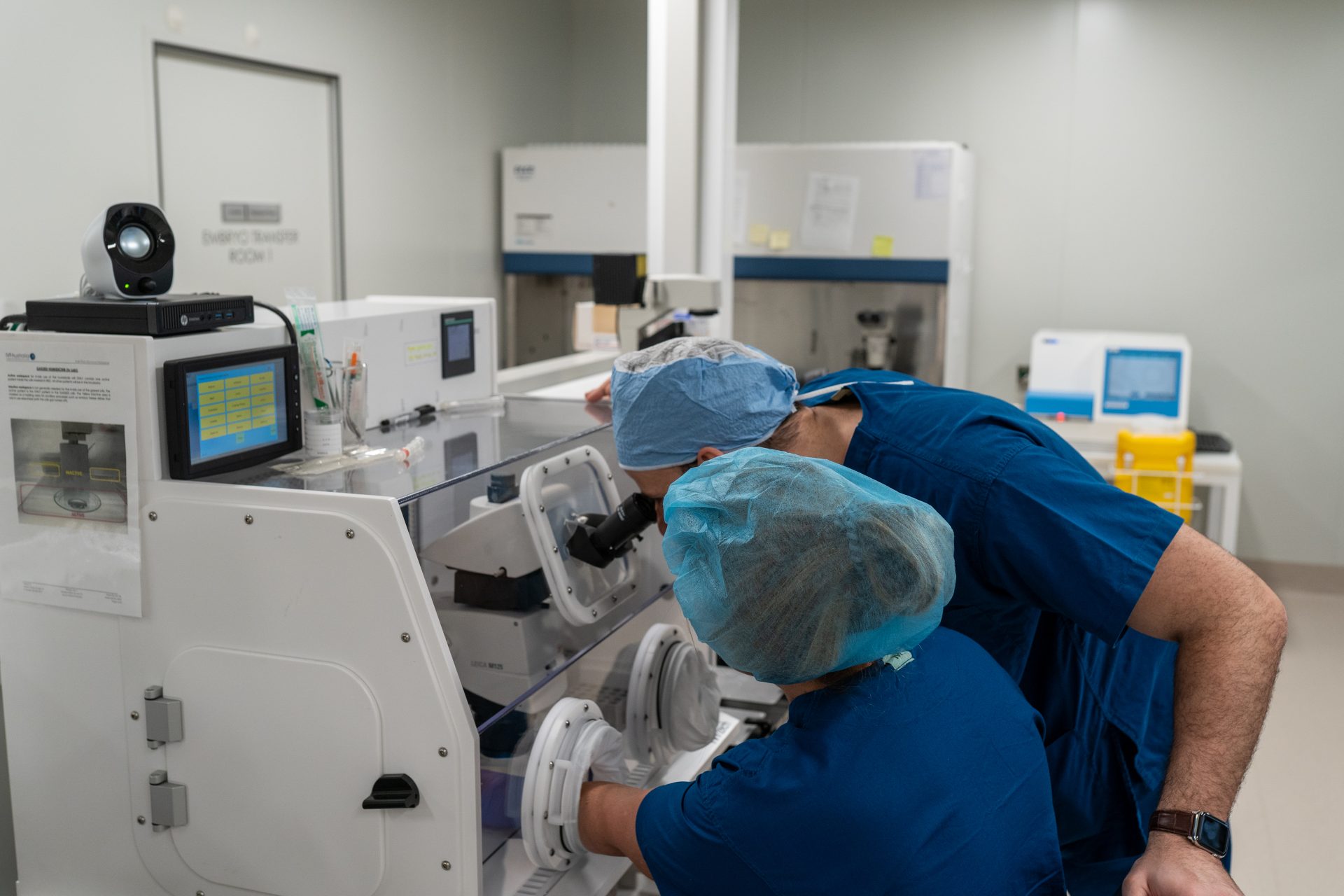

Infertility is one of the most common problems faced by couples worldwide. It is estimated that approximately 15% of couples experience difficulties conceiving, which can affect individuals’ psychological and emotional health. In this context, the contribution of a fertility specialist is critical for successful diagnosis and treatment of infertility. Let’s examine the importance of this healthcare professional’s role and their contribution to successful management of infertility cases.
The Role of the Fertility Specialist in Reproductive Medicine
A fertility specialist is a healthcare professional specialising in reproductive medicine and infertility. Their role includes diagnosis, treatment, and support for couples facing fertility problems. These specialists are trained in a variety of methods and techniques related to reproduction and are able to offer a personalised approach for each couple.
Diagnosis of Infertility
Diagnosing infertility is a complex task requiring specialised knowledge and experience. Fertility specialists use a range of diagnostic methods to identify the cause of infertility. These methods include:
Medical History
Taking a detailed medical history is essential for understanding couples’ health and lifestyle. This includes recording the woman’s menstrual and sexual history, previous pregnancies, surgical interventions, and other information related to medical history.
Clinical Examination
A detailed clinical examination of both the man and woman is essential for evaluating reproductive organs and other systems that may affect fertility.
Laboratory Tests
Laboratory tests include checking hormone levels, semen analysis, and other specialised tests that can reveal the cause of infertility. Semen analysis is critical for evaluating male fertility, while blood tests can detect hormonal disorders in both men and women.
Imaging Tests
Ultrasound can assess the uterus and ovaries, while hysterosalpingography assesses the uterine cavity and fallopian-tube patency. These tests can reveal polycystic ovaries, fibroids, and other conditions that may affect fertility.
Genetic Testing
In some cases, genetic testing is necessary to identify hereditary disorders that may affect fertility. Fertility specialists can provide guidance for conducting and interpreting these tests.
Treatment of Infertility
After diagnosing the cause of infertility, the fertility specialist develops a personalised treatment plan for the couple. Infertility treatments can include a variety of methods, depending on the cause and the couple’s needs.
Medication
Pharmaceutical treatment is often the first line of therapy for infertility. In selected cases, medicines can help regulate hormones, induce ovulation or support sperm production. Common medications include clomiphene, letrozole, gonadotropins, and medications for treating hyperprolactinemia.
Surgical Treatment
In some cases, surgical intervention may be necessary to restore fertility. Procedures may include removal of polyps or fibroids from the uterus, correction of tubal abnormalities, or treatment of endometriosis. Laparoscopy and hysteroscopy are common techniques used for diagnosis and treatment of these conditions.
Assisted Reproduction
Assisted reproduction includes techniques such as intrauterine insemination (IUI), in vitro fertilisation (IVF), and intracytoplasmic sperm injection (ICSI). These techniques are particularly effective for couples facing severe infertility problems who have not responded to other treatments.
Intrauterine Insemination (IUI)
Intrauterine insemination involves placing prepared sperm in the uterus around the time of ovulation. This method is less invasive than IVF and can be effective for couples with mild infertility problems.
In Vitro Fertilisation (IVF)
IVF is the most widespread and effective assisted reproduction technique. It involves fertilizing the woman’s eggs with the man’s sperm in a laboratory environment, and transferring an embryo to the uterus. This procedure requires close monitoring and adjustment of hormonal therapies to achieve the best possible outcome.
Intracytoplasmic Sperm Injection (ICSI)
ICSI is an IVF fertilisation method in which a single sperm is injected directly into an egg. It involves injecting a single sperm directly into the egg, and is mainly used in cases of severe male infertility.
Support and Counselling
Infertility can be an extremely stressful and emotionally charged experience for couples. Support and counselling from a fertility specialist are vital for managing the psychological effects of infertility.
Psychological Support
Fertility specialists provide psychological support to help couples cope with their emotional problems and manage the stress and disappointment that often accompany infertility. This may include individual counselling sessions, group sessions, or support from specialised psychologists.
Education and Information
Fertility specialists educate couples about the causes of infertility, available treatment options, and chances of success. Understanding the processes and treatment options can help couples make informed decisions and feel more prepared to address their situation.
Support During Treatment
The infertility treatment process can be long and demanding. Fertility specialists provide support during treatment, monitoring progress, adjusting treatments, and providing guidance and encouragement.
Technological Advances and Innovations
Reproductive medicine and infertility are constantly evolving fields, with new technologies and innovations enhancing the capabilities of fertility specialists. Some recent developments include:
Preimplantation Genetic Testing (PGT)
This testing allows detection of genetic abnormalities in embryos before embryo transfer. This can improve IVF success chances and reduce the risk of genetic disorders.
Artificial Intelligence (AI)
AI is increasingly used in reproductive medicine for data analysis and prediction of treatment outcomes. The use of AI can help optimise treatment protocols and improve success chances.
Biotechnology and Biomaterials
The development of new biotechnologies and biomaterials can improve assisted reproduction techniques. For example, the use of new culture media for embryos can improve embryo quality and viability.
Cryopreservation
Cryopreservation of eggs, sperm, and embryos allows fertility preservation and storage of genetic material for future use. This technique is particularly useful for individuals about to undergo treatments that may affect fertility, such as chemotherapy.
The Importance of a Holistic Approach
Infertility is a complex problem that needs a broad, multidisciplinary approach. The fertility specialist does not work alone, but collaborates with a team of healthcare professionals, including gynaecologists, urologists, psychologists, and geneticists, to provide the best possible care.
Conclusion
The importance of the fertility specialist for successful diagnosis and treatment of infertility cases is evident. Through specialised knowledge, experience, and a multidimensional approach, fertility specialists play a critical role in supporting couples and improving the chances of achieving pregnancy.
Regardless of the challenges that may arise, collaboration with a fertility specialist can offer hope and lead to successful outcomes for couples wishing to have children. With the advancement of technology and medical methods, the possibilities for treating infertility are constantly increasing, offering new opportunities and solutions for those facing this difficult problem.